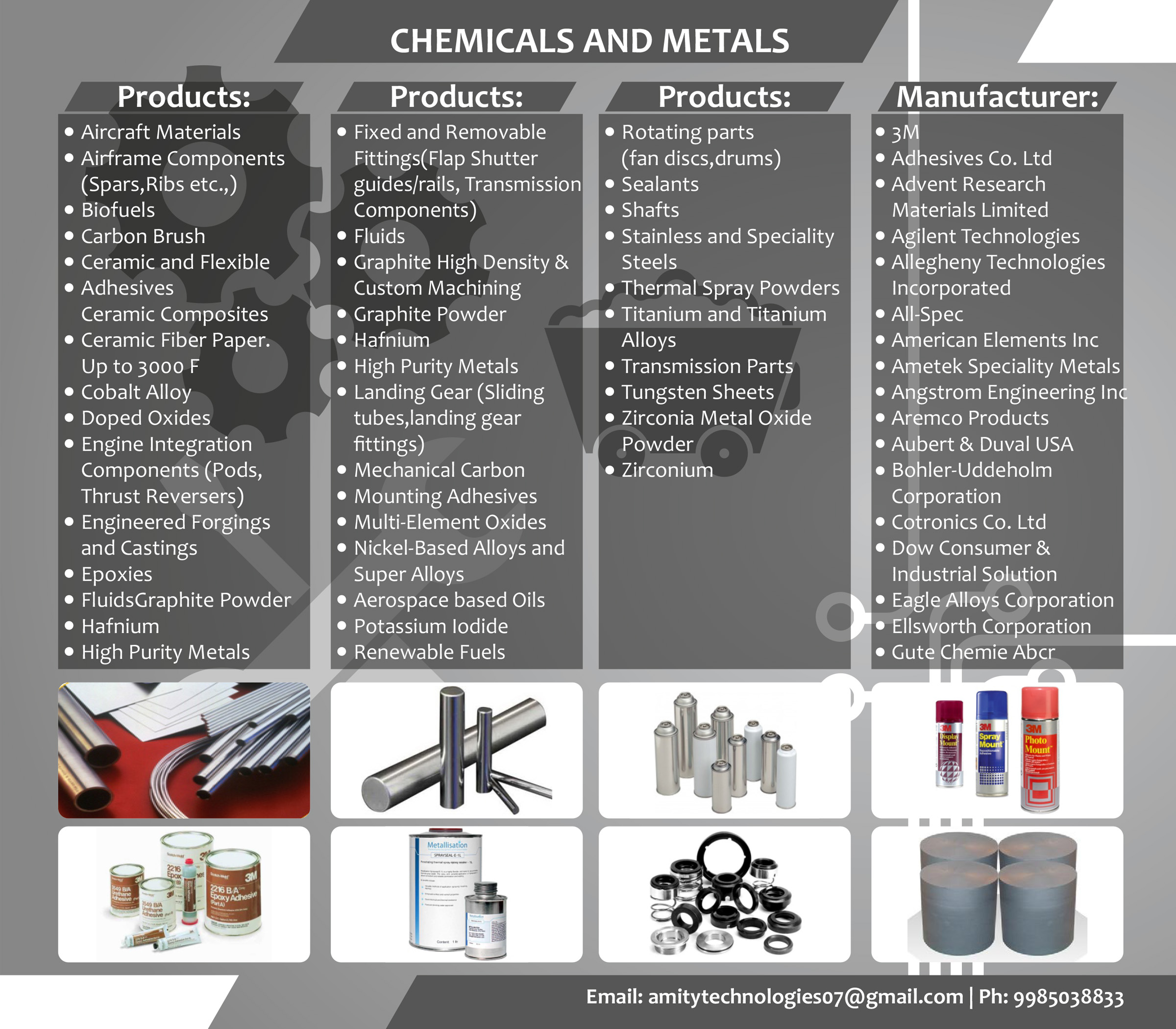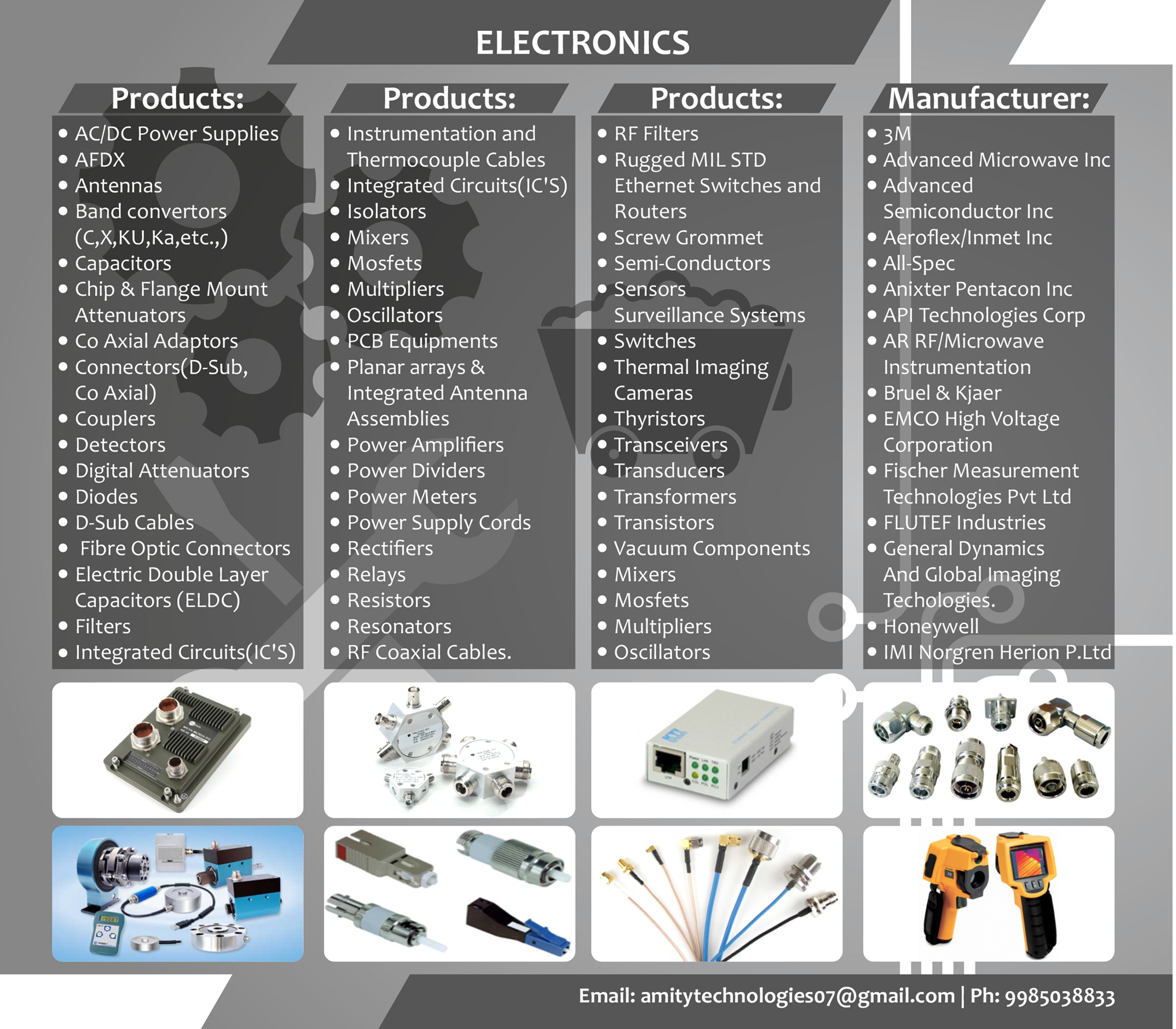
Top 5 Defence Electronics Trends to Watch in 2025

In the rapidly evolving world of defence technology, electronics play a critical role in enhancing situational awareness, improving decision-making speed, and increasing the safety of both personnel and assets. As global security challenges become more complex, the defence sector is witnessing an unprecedented surge in innovation. From AI-powered systems to resilient hardware for harsh environments, 2025 is set to be a transformative year.

Here are the top 5 defence electronics trends to watch in the coming year.


1. AI-Driven Decision Support Systems

Artificial Intelligence (AI) is no longer confined to research labs—it’s now central to real-world defence applications. AI-powered decision support systems are enabling faster, more accurate battlefield assessments, predictive maintenance, and automated target recognition.
In 2025, expect AI integration to expand into tactical drones, surveillance systems, and autonomous vehicles, reducing human workload and minimizing decision lag in high-pressure situations.

Key Impact:

  • Real-time battlefield analytics
  • Enhanced threat detection
  • Improved operational efficiency

2. Quantum-Resistant Communications

As quantum computing capabilities advance, the risk of traditional encryption methods becoming obsolete is growing. Defence organizations are now shifting towards quantum-resistant encryption algorithms to secure communications against future cyber threats.
By 2025, we’ll see military networks adopting post-quantum cryptography to protect sensitive intelligence from interception—even by quantum-capable adversaries.

Key Impact:

  • Future-proofed cybersecurity
  • Protection of classified information
  • Increased resilience against advanced hacking techniques

3. Ruggedized Electronics for Harsh Environments

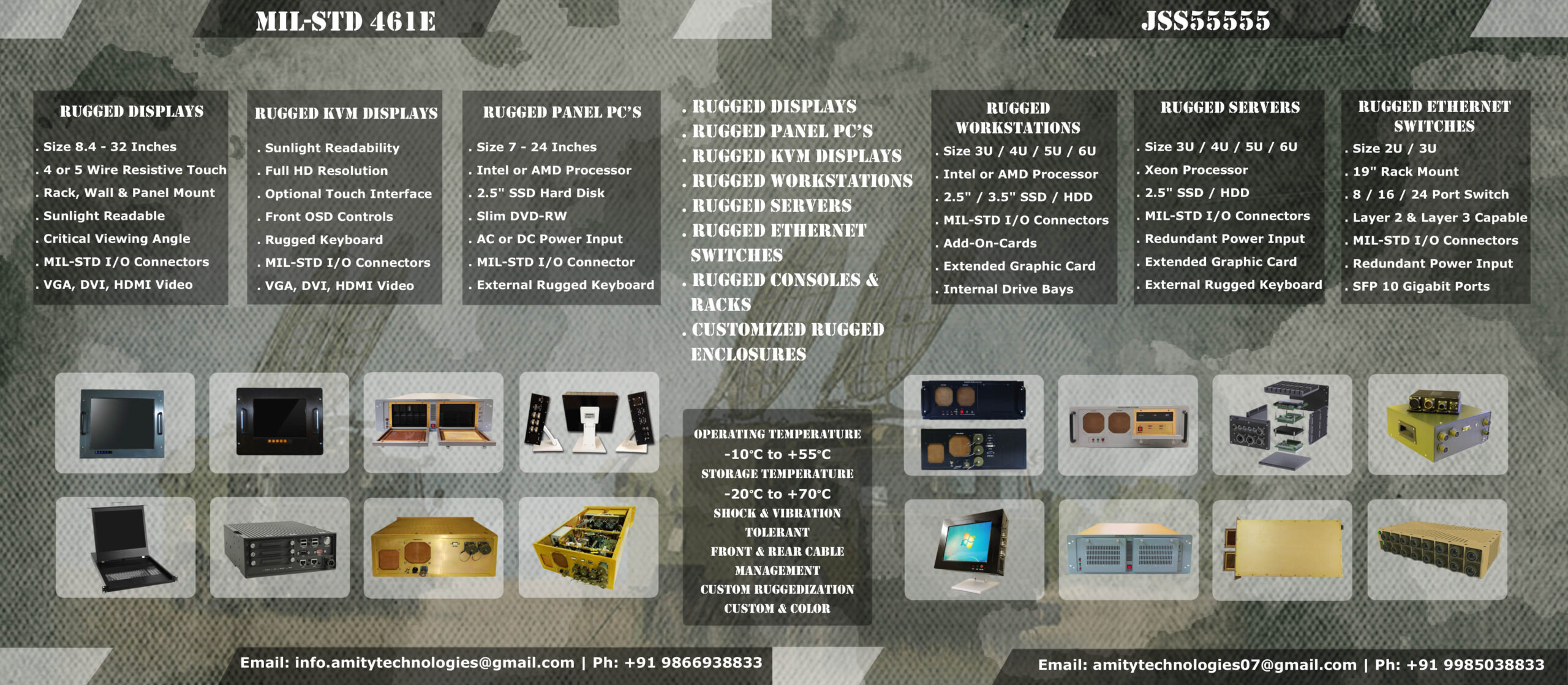
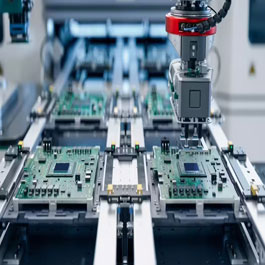
Battlefield conditions can be extreme—dust, vibration, high temperatures, and electromagnetic interference can damage conventional electronics. The demand for ruggedized hardware is surging, with innovations in materials, coatings, and thermal management making devices more durable than ever.
In 2025, expect defence electronics that not only withstand environmental stress but also self-monitor for potential faults before they become mission-critical issues.

Key Impact:

  • Extended equipment lifespan
  • Reliable performance in extreme conditions
  • Reduced maintenance downtime

4. Advanced Electronic Warfare (EW) Capabilities

Electronic warfare is evolving rapidly to counter emerging threats such as drone swarms and AI-guided missile systems. Modern EW platforms are now using machine learning algorithms to adapt to enemy signals in real time, jam communications, and spoof radar systems.
2025 will likely bring more compact, mobile, and AI-enhanced EW systems, making them deployable across air, sea, and ground platforms.

Key Impact:

  • Real-time adaptive jamming
  • Enhanced survivability against enemy tracking
  • Protection of critical assets

5. Next-Generation Sensor Fusion Systems

Sensor fusion—combining data from multiple sensors to produce a unified view—has been around for years, but advancements in processing power and AI are pushing its capabilities to new heights.
By 2025, defence electronics will feature multi-domain sensor fusion that integrates satellite, radar, infrared, acoustic, and cyber data into a single, actionable intelligence stream for commanders.

Key Impact:

  • Superior situational awareness
  • Reduced decision-making time
  • Higher accuracy in threat identification

Final Thoughts

The year 2025 is shaping up to be a milestone in defence electronics. With AI integration, quantum-safe communications, ruggedized designs, advanced EW systems, and next-gen sensor fusion, militaries will be better equipped to handle the evolving challenges of modern warfare.
For defence contractors, staying ahead of these trends isn’t just an advantage—it’s a necessity.
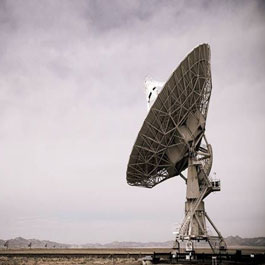
Secure Communication Systems for Defence: Trends and Technologies

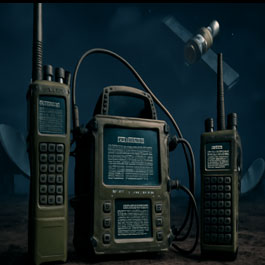
In modern defence operations, the ability to communicate securely and reliably can mean the difference between mission success and failure. As threats evolve—from sophisticated cyberattacks to advanced electronic warfare—secure communication systems have become a cornerstone of military readiness. This article explores the latest trends and technologies shaping secure communications for defence forces worldwide.


Why Secure Communications Matter in Defence

Defence communications must handle high volumes of sensitive data, including mission plans, troop movements, surveillance feeds, and intelligence reports. These systems face three major challenges:

  • Confidentiality – Preventing interception and eavesdropping.
  • Integrity – Ensuring that transmitted data is not altered or tampered with.
  • Availability – Guaranteeing uninterrupted communication, even in hostile or remote environments.

In battlefield situations, secure communication is not just about protecting data—it’s about protecting lives.


Key Trends in Defence Communication Systems

1. Shift Towards Software-Defined Radios (SDRs)

Software-defined radios are replacing traditional hardware-based communication systems. SDRs allow military operators to reconfigure frequencies, encryption standards, and communication protocols on the fly—offering flexibility to adapt to evolving threats.

Benefits:

  • Interoperability across multiple platforms
  • Remote updates without hardware changes
  • Enhanced resilience against jamming

2. Adoption of Quantum Communication

Quantum Key Distribution (QKD) is emerging as a game-changer for ultra-secure communications. Using quantum mechanics principles, QKD ensures that any interception attempt is immediately detectable.

Applications:

  • Secure satellite-to-ground links
  • High-security data centres
  • Strategic command communications

3. Integration of AI for Signal Protection

Artificial Intelligence is being deployed to detect jamming, identify unusual signal patterns, and optimize frequency usage in real time. AI-driven spectrum management improves the survivability of communication channels during electronic warfare.


4. Satellite-Based Secure Networks

Next-generation military satellites offer global coverage, encrypted channels, and anti-jamming capabilities. Low Earth Orbit (LEO) constellations are reducing latency, enabling near real-time secure video and data exchange.


5. End-to-End Encryption (E2EE)

Modern defence communication systems employ advanced encryption algorithms like AES-256 and post-quantum cryptography to protect messages from interception, even by future quantum computers.


Technologies Powering the Future of Secure Defence Communications

TechnologyFunctionDefence Application
Mesh NetworkingCreates self-healing networksTroop-to-troop and unit communications in remote terrain
Frequency Hopping Spread Spectrum (FHSS)Rapidly changes frequencies to avoid interceptionAir-to-ground and ship-to-ship communication
Post-Quantum CryptographyResists quantum attacksLong-term secure storage and transmission of classified data
Adaptive Beamforming AntennasDirects signals precisely towards intended receiversReduces detection risk and improves signal quality
Zero Trust ArchitectureContinuous authentication and monitoringSecure network access for military cloud systems

Challenges Ahead

While these innovations are promising, defence communications still face critical hurdles:

  • Cyber Threats: State-sponsored hackers and cyber-espionage.
  • Spectrum Congestion: Increased competition for bandwidth in both civilian and military domains.
  • Interoperability: Coordinating communication systems across allied forces with different standards.

Conclusion

Secure communication systems are the nervous system of modern defence forces. With advancements in SDRs, quantum encryption, AI-assisted signal protection, and satellite networks, militaries are better equipped to ensure that their communications remain secure, reliable, and adaptive to the challenges of tomorrow. However, continued investment, interoperability standards, and robust cyber defences are essential to stay ahead of adversaries in an increasingly contested information environment.

Radar Systems: How They’re Evolving for Modern Threat Detection

Radar technology has come a long way since its pivotal role in World War II. What began as a means to detect incoming aircraft has transformed into a sophisticated system capable of tracking hypersonic missiles, stealth aircraft, drones, and even cyber threats. As global security concerns grow more complex and adversaries develop smarter tactics, radar systems must evolve to keep pace. Let’s dive into how radar systems are adapting and advancing for modern threat detection in today’s dynamic battlefield and defense environments.


The Traditional Radar: A Quick Recap

Classic radar systems operate by sending out radio waves and detecting the reflections from objects like aircraft or ships. The time delay and frequency shift of the returned signal help determine an object’s distance, speed, and direction. While effective for decades, these systems were limited in resolution, struggled with clutter (like birds or weather), and had difficulty identifying stealth or low-RCS (Radar Cross Section) targets.


The Modern Threat Landscape

Today’s threats are not only more varied but also more difficult to detect. Some of the challenges include:

  • Stealth technology: Aircraft and missiles designed to evade radar detection using shape and materials.
  • Hypersonic weapons: Traveling at speeds above Mach 5, these weapons reduce the time radar has to detect and respond.
  • Swarm drones: Dozens or hundreds of small drones moving together to overwhelm traditional detection systems.
  • Cyber-electronic warfare: Enemies may jam or spoof radar systems to mislead or blind them.

Key Innovations in Radar Technology

To stay ahead, radar systems are undergoing a technological transformation. Some of the major advancements include:

1. Active Electronically Scanned Arrays (AESA)

Unlike older radars that rotate mechanically, AESA radars use numerous small antennas to steer beams electronically. This allows for faster scanning, multi-target tracking, and resistance to jamming.

  • Benefits:
    • High-resolution imaging
    • Multi-functionality (search, track, fire control)
    • Lower probability of interception

2. Cognitive Radar

These smart radars use AI and machine learning to adapt in real-time to changing environments and threats. They learn from past encounters to improve detection, classification, and tracking.

  • Applications:
    • Recognizing unknown or disguised threats
    • Filtering out clutter or false alarms
    • Dynamically changing waveforms to counter jamming

3. Passive Radar

Instead of emitting signals, passive radars use existing electromagnetic signals (like FM radio or TV) to detect objects. They are difficult to detect and don’t reveal their presence to enemies.

  • Ideal for: Urban environments or stealth operations

4. Multistatic Radar Networks

Instead of a single transmitter-receiver unit, multistatic systems use multiple separated transmitters and receivers. This creates overlapping coverage and makes it harder for stealth objects to evade detection.

5. Quantum Radar (Emerging Tech)

Quantum radar uses quantum entanglement to detect objects with potentially unmatched sensitivity and resistance to stealth technology. Still in its infancy, it represents a potential leap in radar capability.


Integration with Other Technologies

Radar is no longer a standalone system. Modern radar integrates with:

  • Satellite surveillance
  • Infrared and optical sensors
  • Command-and-control networks
  • Cyber defense systems

This sensor fusion allows for a comprehensive situational awareness that compensates for each system’s weaknesses.


Civilian and Commercial Applications

While much of the innovation is driven by defense needs, modern radar also benefits civilian sectors:

  • Autonomous vehicles use radar for collision avoidance.
  • Air traffic control relies on high-resolution radar to manage crowded skies.
  • Weather monitoring is more accurate with polarimetric Doppler radar.

The Road Ahead

As adversaries evolve, so must our radar systems. The future of radar will likely be:

  • More software-defined, allowing for remote updates and upgrades
  • AI-augmented, enabling faster decision-making and threat analysis
  • Miniaturized, with powerful radar systems small enough to fit on drones and satellites

Investments in radar R&D are critical not just for national defense, but for global safety, disaster response, and autonomous technology.


Conclusion

Radar systems are no longer the simple pulse-echo devices of the past. They’ve become intelligent, multi-functional, and deeply integrated into modern defense infrastructure. As the threat landscape continues to evolve—blending physical, digital, and autonomous domains—radar technology is keeping pace, transforming into a powerful pillar of next-generation threat detection.

Whether it’s defending against hypersonic weapons or managing autonomous traffic in smart cities, radar’s evolution is shaping a safer, more secure world.