Introduction
In the ever-evolving landscape of modern warfare and national security, technology has become the linchpin of effective defense strategies. At the core of this technological transformation lies embedded systems—specialized computing systems that are an integral part of larger devices, designed to perform dedicated functions with real-time constraints. From surveillance drones to missile guidance systems, embedded systems are the invisible brains powering the most critical components of defense electronics.
What Are Embedded Systems?
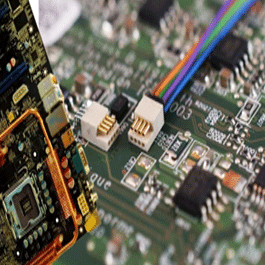
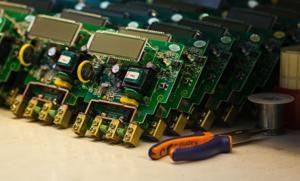
An embedded system is a microprocessor or microcontroller-based system designed to perform a specific task. Unlike general-purpose computers, embedded systems are optimized for efficiency, reliability, and performance. These systems are often resource-constrained in terms of memory, processing power, and energy consumption, making their design and implementation a complex and highly specialized field.
Why Are Embedded Systems Crucial in Defence?
- Real-Time Performance
Defence operations require immediate responses. Whether intercepting a missile or identifying enemy movement via radar, the system must respond within milliseconds. Embedded systems provide the real-time processing capability necessary for such tasks. - Reliability and Robustness
Battlefield environments are harsh. Embedded systems are built to withstand extreme temperatures, vibrations, radiation, and electromagnetic interference, ensuring that they function reliably in combat zones. - Security and Encryption
Defense systems require secure communication and data processing. Embedded systems often incorporate hardware-level encryption and anti-tampering mechanisms to prevent hacking or espionage. - Low Power Consumption
Many defense devices are battery-powered (e.g., UAVs, field sensors). Embedded systems are energy-efficient, allowing longer operational periods without recharge.
Applications of Embedded Systems in Defense Electronics
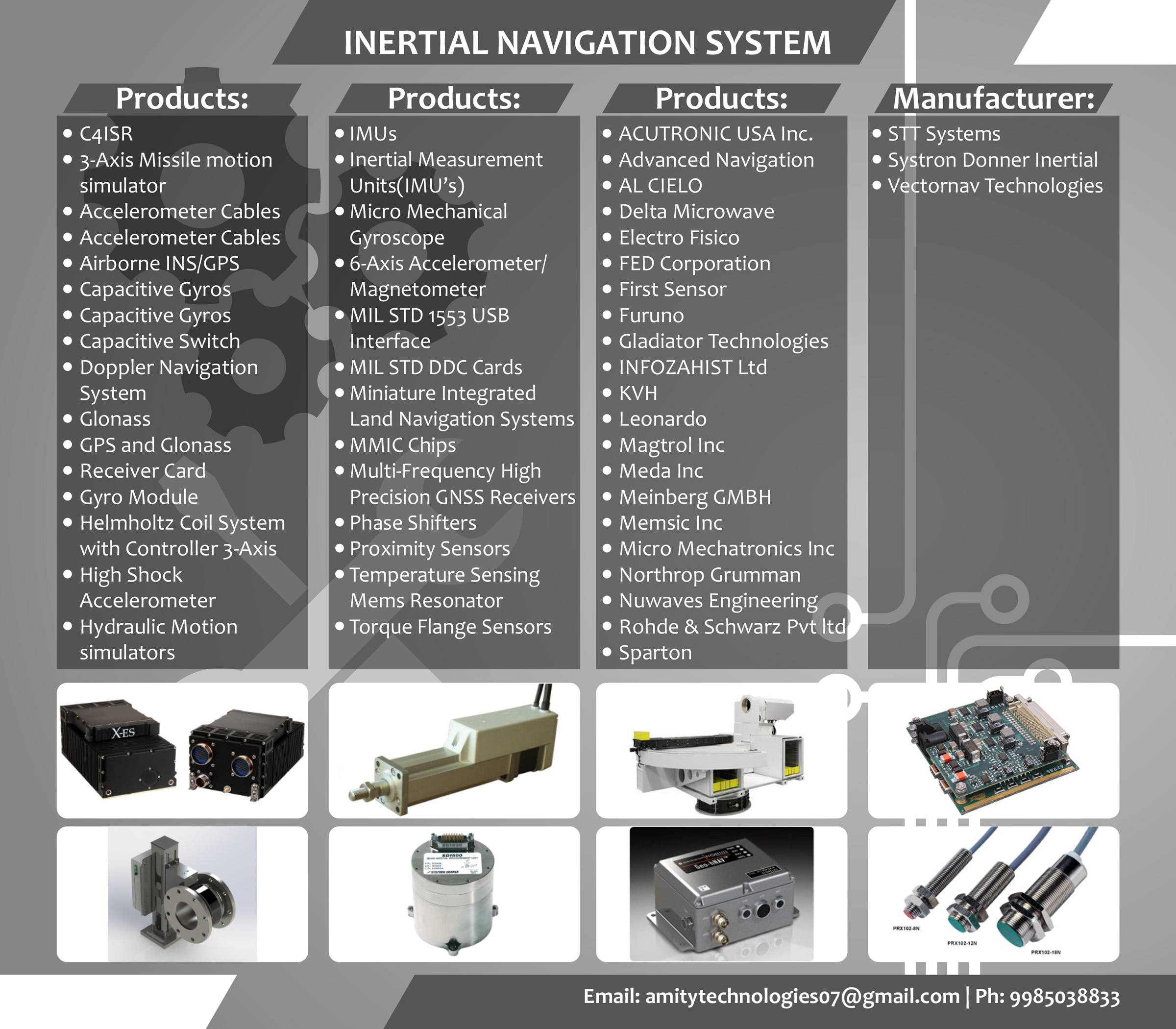
1. Missile Guidance and Navigation Systems
Embedded processors compute trajectory corrections, control flight paths, and adjust in real-time based on feedback from GPS and onboard sensors.
2. Unmanned Aerial Vehicles (UAVs) and Drones
Drones rely heavily on embedded systems for autopilot functions, obstacle detection, surveillance imaging, and secure data transmission to ground stations.
3. Radar and Sonar Systems
These systems use embedded hardware for signal processing, object tracking, and pattern recognition, often in real-time for accurate threat assessment.
4. Communication Systems
Military communication gear uses embedded systems to encode/decode signals, filter noise, and ensure secure, jam-resistant communication between personnel and command centers.
5. Electronic Warfare
Advanced embedded systems enable jamming, spoofing, and electronic countermeasures, playing a vital role in disrupting enemy communications and radar.
6. Cybersecurity Tools
Modern defense includes cyber-defense. Embedded platforms monitor network integrity, detect intrusions, and launch countermeasures autonomously.
Embedded Systems in Action: A Case Study
Consider the Patriot Missile Defense System used by several countries. Its embedded systems handle target detection, identification, tracking, and interception, often within seconds. The integration of radar data, trajectory computation, and command systems would be impossible without embedded computing at its core.
Challenges in Military Embedded System Design
- Designing for longevity: Military systems are expected to remain functional for decades, demanding long-term support and backward compatibility.
- Testing and validation: Embedded systems must undergo rigorous testing to ensure mission-critical reliability.
- Component obsolescence: Keeping up with hardware and software advancements while maintaining system integrity is a constant challenge.
Future Trends
- Artificial Intelligence Integration: Embedded systems are increasingly being paired with AI for autonomous decision-making, especially in drones and surveillance.
- IoT and Smart Battlefield: The concept of a connected battlefield is gaining traction, with embedded sensors communicating across vast terrains.
- Quantum-Resistant Security: With the rise of quantum computing, defense embedded systems are being designed to resist quantum-level cyber threats.
Conclusion
Embedded systems are the unsung heroes of modern defense electronics. Their ability to operate reliably, securely, and in real time makes them indispensable to military technology. As defense strategies become more technologically driven, the role of embedded systems will only grow, evolving into more intelligent, adaptive, and autonomous solutions that shape the future of warfare and national security.