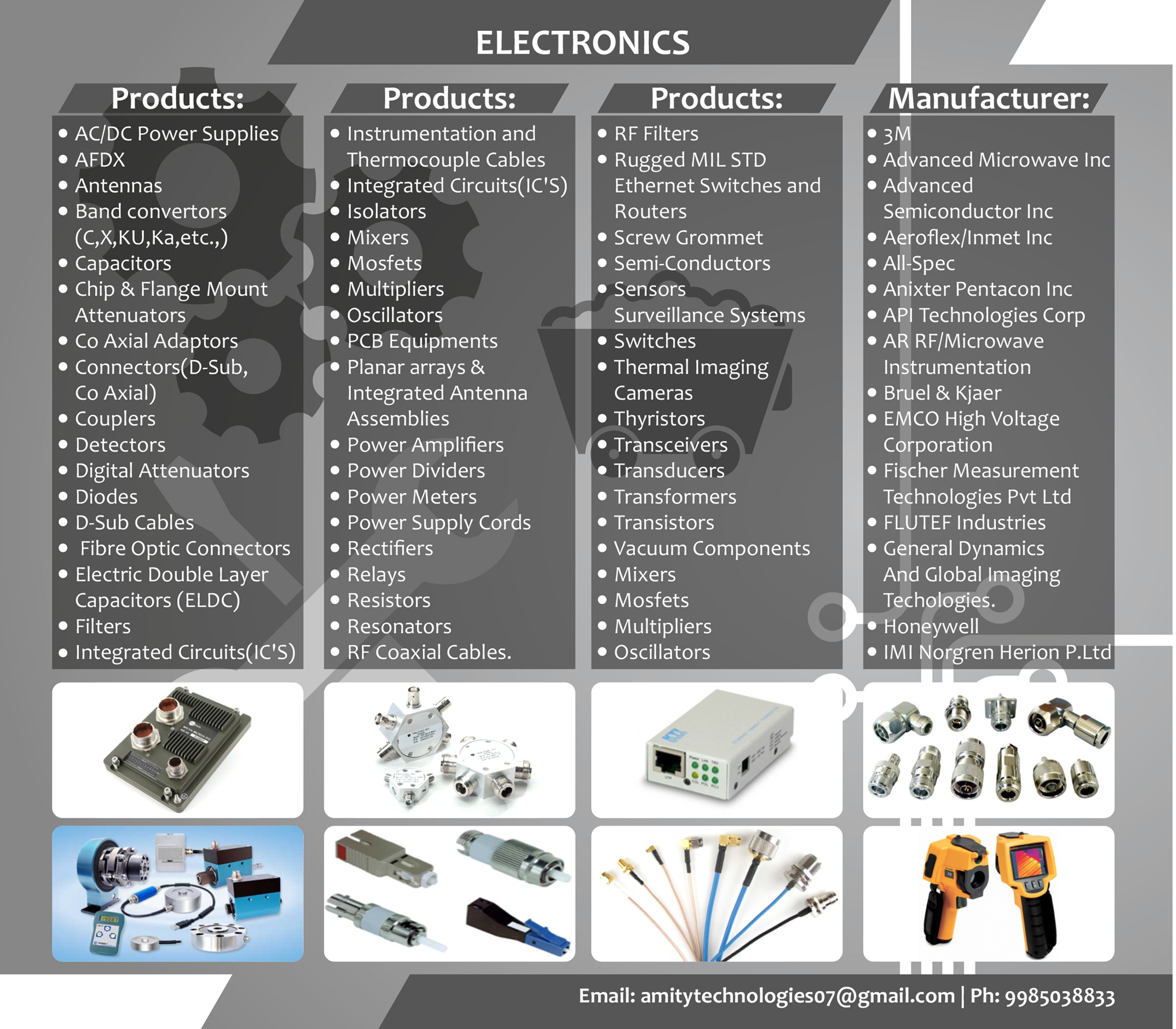
In modern warfare, technology is as critical as weaponry. From communication systems and drones to surveillance equipment and portable computing devices, electronics play a pivotal role in mission success. But the battlefield is not a friendly environment—dust, moisture, extreme temperatures, shock, and electromagnetic interference can quickly destroy unprotected devices. That’s where ruggedization comes in.
What is Ruggedization?
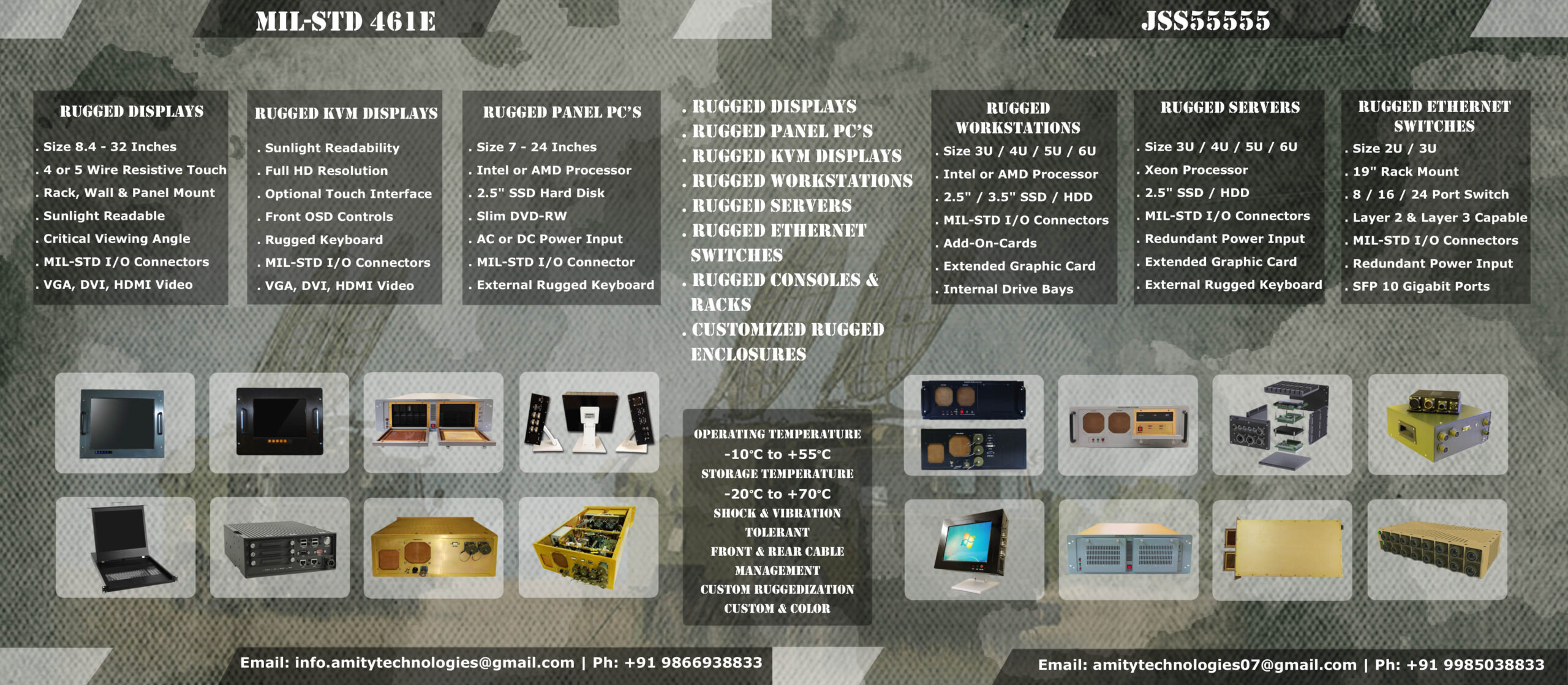
Ruggedization is the process of designing and manufacturing electronic systems that can withstand extreme environmental and operational conditions without compromising performance. This involves selecting specialized materials, implementing protective designs, and adhering to strict military-grade testing standards.
Challenges in Battlefield Electronics
Battlefield environments present unique challenges that standard consumer electronics simply cannot handle:
- Extreme Temperatures – From sub-zero conditions in high-altitude zones to scorching desert heat.
- Shock & Vibration – Resulting from transport in armored vehicles, rapid deployment, or weapon recoil.
- Dust & Sand – Microscopic particles that can infiltrate and damage sensitive components.
- Humidity & Water Exposure – Including heavy rain, fog, and accidental submersion.
- Electromagnetic Interference (EMI) – From nearby military equipment and communication systems.
Key Ruggedization Strategies
- Durable Enclosures
Using military-grade metals, reinforced plastics, and sealed casings to protect electronics from mechanical stress and contamination. - Thermal Management
Incorporating heat sinks, advanced cooling systems, and temperature-resistant components to operate in extreme heat or cold. - Shock & Vibration Isolation
Employing shock mounts, dampers, and PCB reinforcement to prevent component damage. - Waterproofing & Sealing
Achieving high IP (Ingress Protection) ratings through gaskets, conformal coatings, and sealed connectors. - Electromagnetic Shielding
Using conductive coatings, metal housings, and EMI filters to ensure stable performance in high-interference zones. - Compliance with Military Standards
Following MIL-STD-810 for environmental durability and MIL-STD-461 for EMI/EMC compliance.
Why Ruggedization is Mission-Critical
In battlefield operations, equipment failure can lead to mission delays, compromised safety, or even loss of life. Ruggedized electronics ensure:
- Operational Reliability – Devices perform consistently under harsh conditions.
- Longer Service Life – Reduced maintenance and replacement needs.
- Enhanced Mobility – Soldiers can carry and deploy devices without extra protective gear.
- Mission Readiness – Technology is available and functional when needed most.
The Future of Ruggedized Electronics
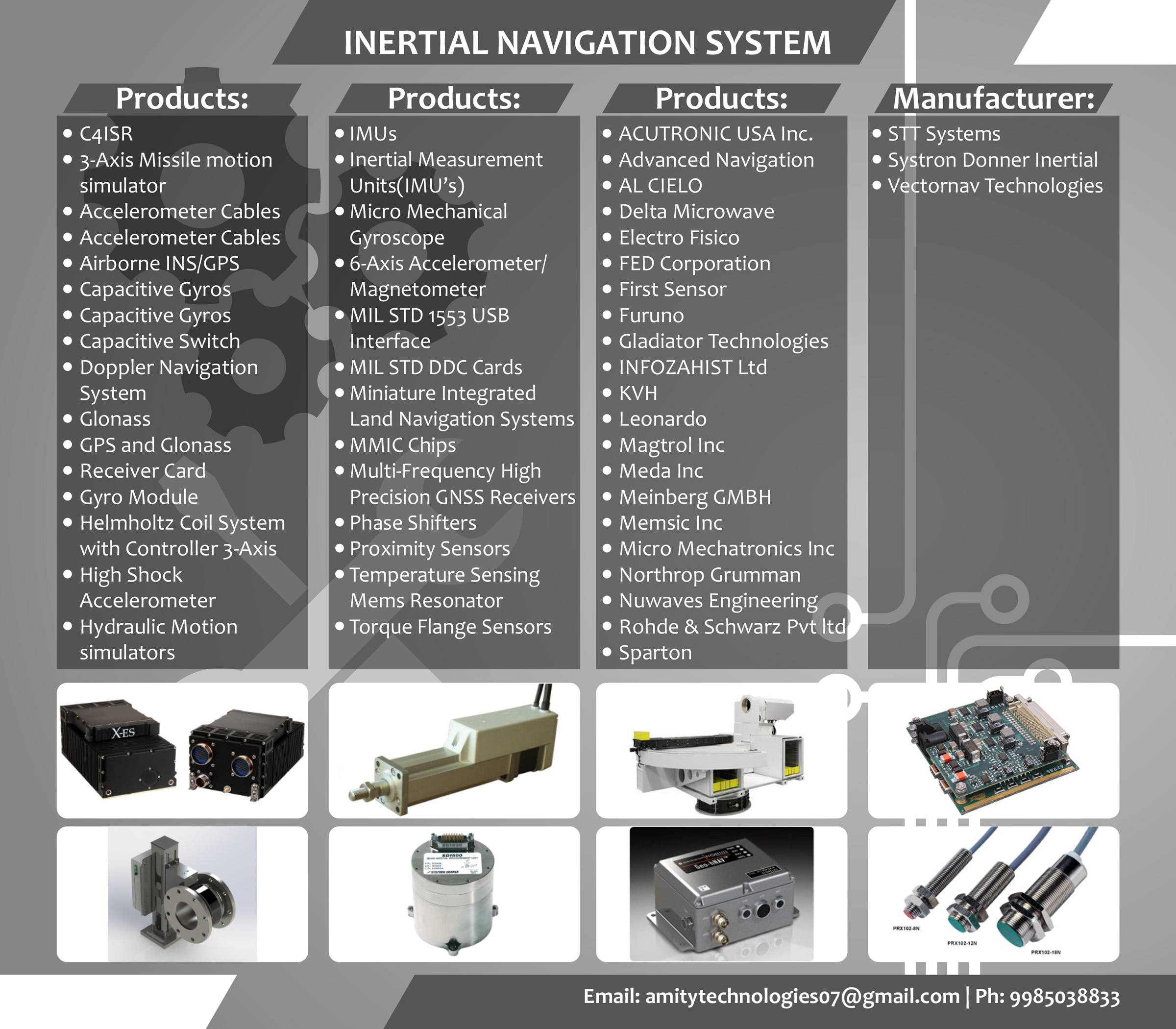
With the rise of autonomous drones, wearable soldier tech, and real-time battlefield data systems, ruggedization is evolving to integrate lighter materials, advanced coatings, and AI-powered self-diagnostics. Future battlefield electronics will not only survive harsh environments but also adapt to them.
Final Thought:
Ruggedization is not an optional feature—it is the backbone of reliable battlefield technology. As warfare becomes more technologically driven, the ability to design and deliver electronics that thrive in the harshest conditions will remain a decisive advantage.